Our Gallery
Original illustrations of key receptor pharmacology concepts
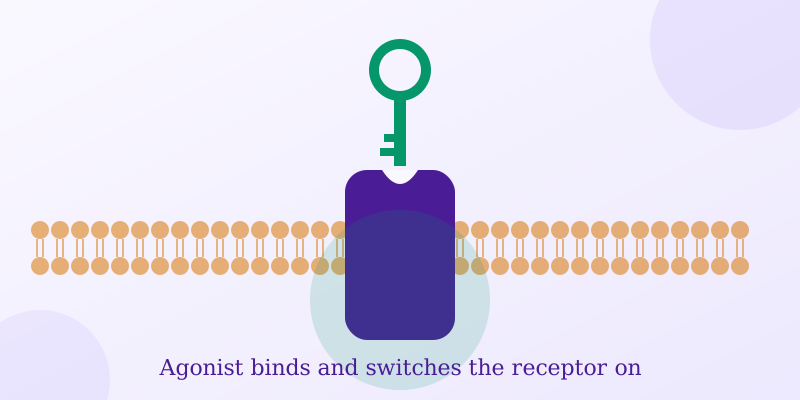
Illustration: an agonist fits its receptor like a key in a lock and switches it on.
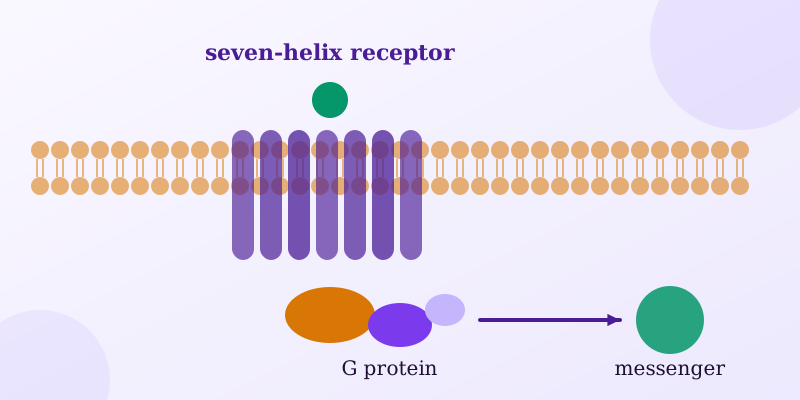
Illustration: a G protein-coupled receptor with seven membrane-spanning helices passing its signal to a G protein.
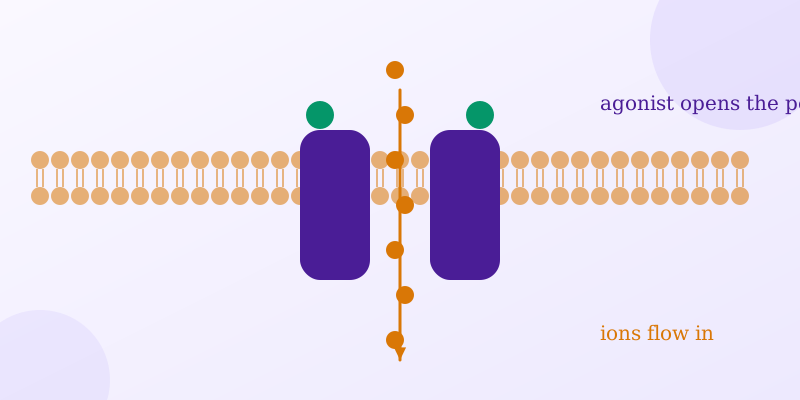
Illustration: a ligand-gated ion channel opens when agonist molecules bind, letting ions flow into the cell.
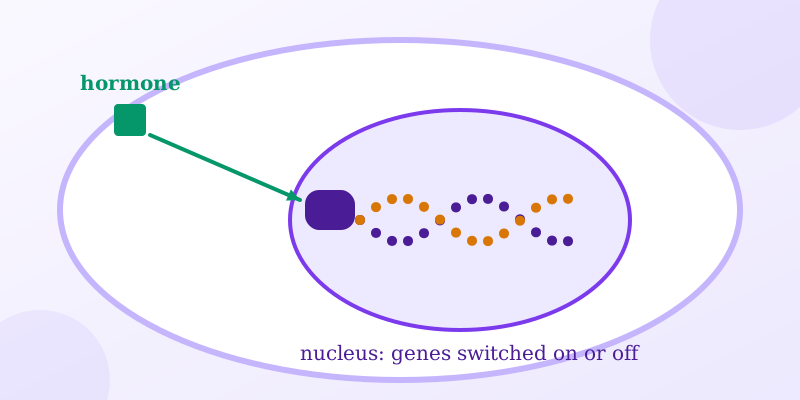
Illustration: a fat-soluble hormone enters the cell and activates a nuclear receptor that switches genes on or off.
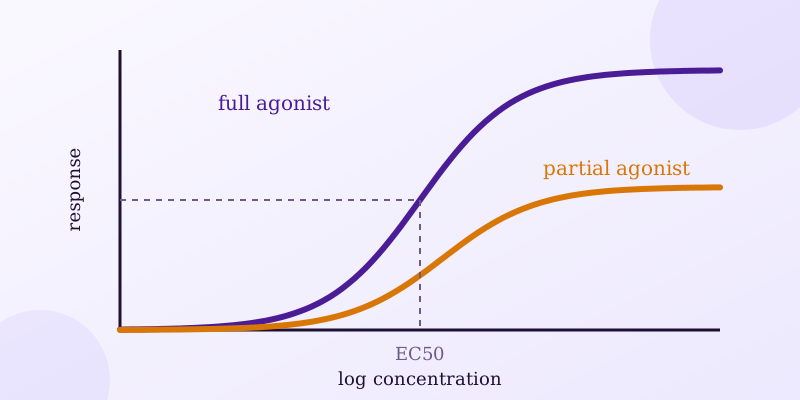
Illustration: dose-response curves on a log scale; the full agonist reaches a higher maximum than the partial agonist.
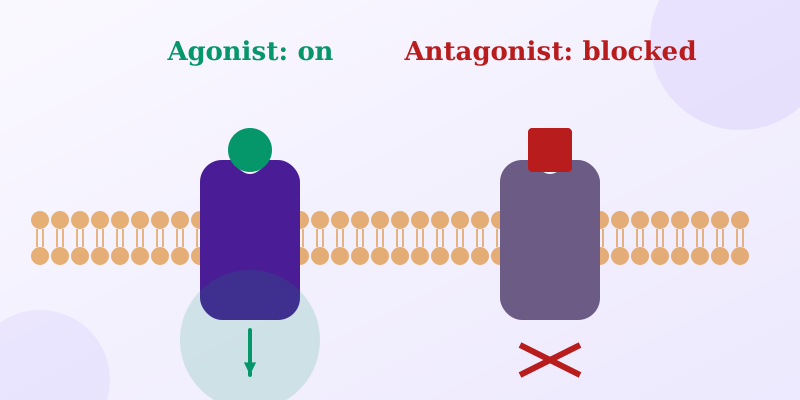
Illustration: an agonist activates its receptor while an antagonist occupies the receptor without activating it.
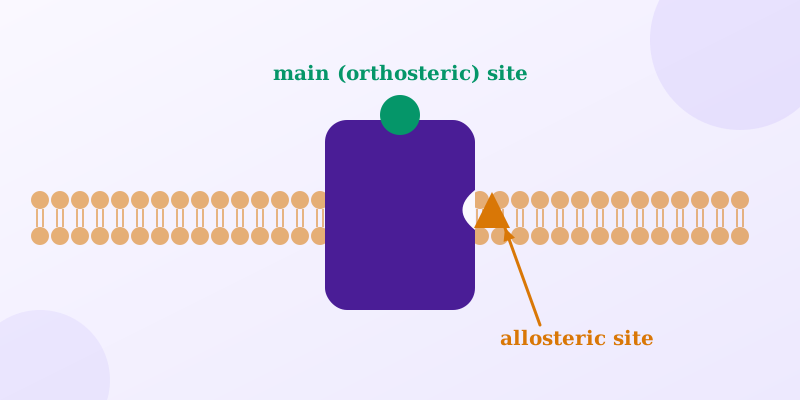
Illustration: an allosteric modulator binds a second site on the receptor, separate from the main agonist site.
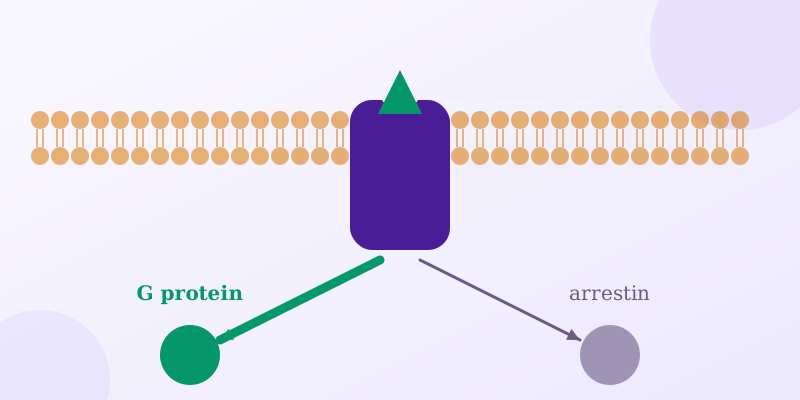
Illustration: a biased agonist favours one signalling pathway (G protein) over another (arrestin).
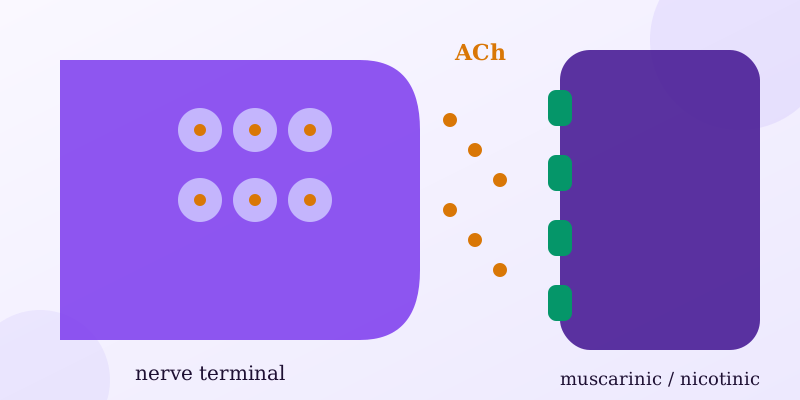
Illustration: a nerve terminal releases acetylcholine onto muscarinic and nicotinic receptors.